
Have you looked in the mirror lately and wondered why your face suddenly looks puffier than usual?
Maybe your cheeks seem fuller. Maybe your jawline isn’t as defined as it used to be. Or perhaps you’ve seen people on TikTok talking about what is cortisol face and started wondering if that’s what’s happening to you.
I completely understand. It’s easy to assume social media has the answer, but the truth is a little more complicated.
After researching the science behind cortisol and facial puffiness, I discovered that while cortisol face is based on a real medical concept, it’s often misunderstood online. A puffy face doesn’t automatically mean your cortisol levels are high, and there are many possible reasons your facial appearance may change.
Here’s what you should know.
Quick Answer
Cortisol face is a term people use to describe a round, puffy, or swollen facial appearance that may occur when cortisol levels remain unusually high for a long period of time. While chronically elevated cortisol from conditions like Cushing’s syndrome can cause facial changes, many cases of facial puffiness are actually related to poor sleep, allergies, hormones, medications, high salt intake, or other lifestyle factors. That’s why it’s important not to assume every puffy face is caused by cortisol.
Key Takeaways
- Cortisol face is not an official medical diagnosis.
- High cortisol levels can contribute to a rounder or puffier face in certain medical conditions.
- A puffy face doesn’t automatically mean you have high cortisol.
- Poor sleep, allergies, hormones, stress, medications, and diet can all affect facial appearance.
- If facial swelling is persistent or happens alongside other symptoms, it’s a good idea to talk with a healthcare provider.
What Is Cortisol?
Before talking about cortisol face, it helps to understand what cortisol actually is.
Cortisol is often called the body’s main stress hormone, but that description only tells part of the story.
Your adrenal glands, located just above your kidneys, naturally produce cortisol every day. This hormone plays a vital role in many important body functions, including:
- Regulating your body’s stress response
- Helping control blood sugar levels
- Supporting a healthy immune response
- Helping regulate blood pressure
- Maintaining your circadian rhythm, or natural sleep-wake cycle
- Providing energy during stressful situations
In other words, cortisol isn’t bad.
In fact, your body couldn’t function without it.
Problems usually arise only when cortisol levels stay unusually high—or unusually low—for an extended period of time.
Is Cortisol Face Real?
Yes—but probably not in the way social media often describes it.
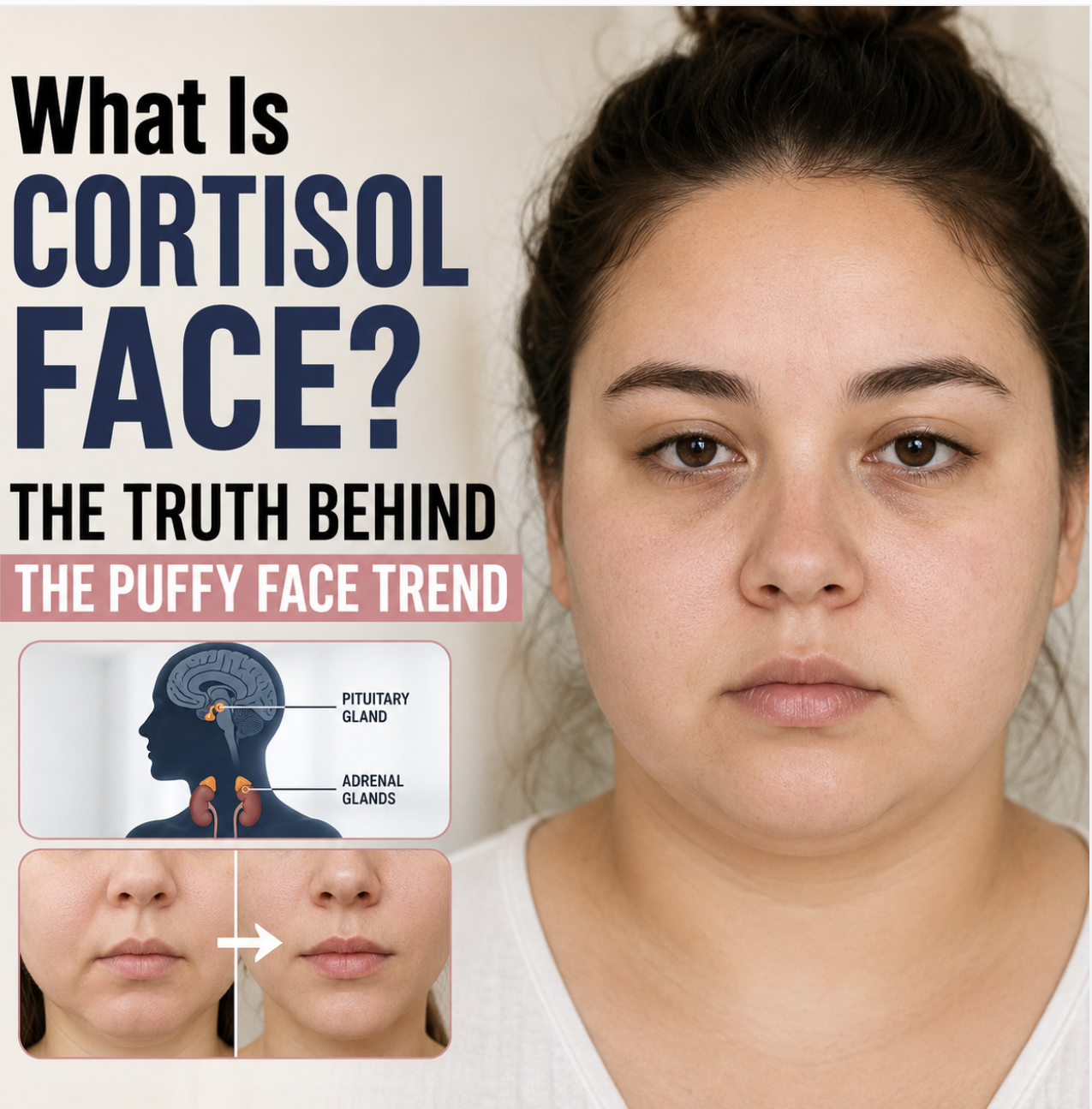
“Cortisol face” isn’t an official medical term, but it does describe a facial appearance that can occur when someone has chronically high cortisol levels.
Doctors have long recognized that people with Cushing’s syndrome, a medical condition caused by prolonged exposure to high levels of cortisol, may develop what’s often called a moon face. This refers to a noticeably rounder, fuller appearance of the face caused by changes in fat distribution and fluid retention.
However, Cushing’s syndrome is relatively uncommon.
Many social media users now use the phrase “cortisol face” anytime they notice facial puffiness or swelling. The reality is that a puffy face has many possible causes, and high cortisol is only one of them.
What Does Cortisol Face Look Like?
People describing cortisol face often notice changes like:
- A rounder face than usual
- Puffy cheeks
- Facial swelling
- Increased facial fullness
- A softer jawline
- Puffiness around the eyes
- Water retention in the face
- A generally swollen facial appearance
Some people also notice other body changes if high cortisol is truly the underlying cause.
These may include:
- Unexplained weight gain
- Fat accumulation around the midsection
- Fat deposits near the back of the neck
- Muscle weakness
- High blood pressure
- Changes in blood sugar levels
These symptoms don’t automatically mean someone has high cortisol, but they can be clues that warrant further evaluation by a healthcare provider.
What Doesn’t Cortisol Face Look Like?
Because the term has become so popular on social media, it’s easy to assume every change in your face is caused by cortisol.
In reality, many facial changes have nothing to do with high cortisol levels.
For example, temporary puffiness after a salty meal, allergies, poor sleep, or crying is usually very different from the gradual facial changes associated with chronically elevated cortisol.
If your face suddenly looks swollen overnight, cortisol is probably not the first explanation. Temporary fluid retention is far more common and often improves within a day or two.
What Causes Cortisol Face?
One reason the topic has become confusing is that people often assume stress alone causes cortisol face.
The truth is more nuanced.
Chronically High Cortisol Levels
The most well-known cause of cortisol face is chronic high levels of cortisol.
Unlike temporary increases during everyday stress, cortisol that stays elevated for weeks or months can begin affecting the body’s normal fat distribution and fluid balance.
Cushing’s Syndrome
The medical condition most commonly associated with cortisol face is Cushing’s syndrome.
This happens when the body is exposed to too much cortisol for a long period of time.
Possible causes include:
- Certain steroid medications
- A pituitary tumor
- Rare tumors affecting the adrenal glands
- Other medical conditions that increase cortisol production
Because Cushing’s syndrome affects hormone levels throughout the body, facial puffiness is usually only one symptom among many.
Steroid Medications
Some prescription steroid medications can also lead to a moon face appearance.
These medications are sometimes necessary for treating serious health conditions, so it’s important not to stop taking them without medical guidance.
If you’re concerned about facial changes while taking steroids, talk with the healthcare provider who prescribed them.
Chronic Stress
This is where social media gets part of the story right.
Chronic stress can influence cortisol production.
However, everyday stress from work, parenting, or a busy schedule doesn’t usually cause the dramatic facial changes seen with Cushing’s syndrome.
Stress can still affect your health in many ways—including sleep quality, inflammation, eating habits, and water retention—which may indirectly contribute to a puffier appearance.
Poor Sleep
One of the biggest surprises during my research was how closely poor sleep is connected to facial puffiness.
Even one or two nights of inadequate sleep can make your face appear more swollen the next morning.
Lack of sleep may also affect your body’s natural cortisol rhythm, making it another important piece of the puzzle.
Hormonal Changes
Hormonal imbalances can also affect facial appearance.
For some women, changes during perimenopause or menopause contribute to water retention and facial puffiness.
Conditions such as polycystic ovary syndrome (PCOS) may also influence hormone levels and body changes, although they aren’t the same thing as cortisol face.
Other Causes of a Puffy Face
One of the biggest misconceptions about cortisol face is that high cortisol is the only reason your face might look swollen or puffy.
In reality, there are many possible causes of facial puffiness, and some are much more common than chronically high cortisol levels.
These include:
- Poor sleep or lack of sleep
- High salt intake
- Dehydration
- Allergic reactions
- Sinus infections
- Hormonal changes
- Alcohol consumption
- Certain medications
- Genetics
- Temporary fluid retention
That’s why it’s important not to self-diagnose based on a TikTok video. If facial swelling is persistent, worsening, or accompanied by other concerning symptoms, it’s always a good idea to speak with a healthcare provider.
Can Everyday Stress Really Cause Cortisol Face?
One of the biggest misconceptions on social media is that a stressful week at work or a few sleepless nights automatically lead to cortisol face.
Current evidence doesn’t support that idea.
Everyday stress naturally causes temporary increases in cortisol as part of your body’s normal stress response. In healthy people, cortisol levels typically rise and fall throughout the day.
The more noticeable facial changes associated with cortisol are usually linked to chronically high cortisol levels caused by medical conditions like Cushing’s syndrome or long-term use of steroid medications—not the normal ups and downs of daily life.
That said, chronic stress can still affect sleep quality, eating habits, inflammation, and water retention, all of which may contribute to a puffier appearance.
What Doesn’t Help Cortisol Face?
If you’ve spent time on social media, you’ve probably seen products claiming to “flush cortisol” or “fix cortisol face.”
At this time, there isn’t strong scientific evidence that any single supplement, tea, or detox product can eliminate cortisol face.
If high cortisol is caused by an underlying medical condition, the most effective treatment is identifying and addressing that underlying cause.
For temporary facial puffiness related to lifestyle factors, healthy habits such as getting enough sleep, staying hydrated, managing stress, and eating a balanced diet are likely to have a much greater impact than quick-fix products.
How to Reduce Facial Puffiness
If your face looks puffier than usual, the good news is that there are several healthy habits that may help—especially if the puffiness is related to everyday lifestyle factors rather than an underlying medical condition.
Prioritize Quality Sleep
Sleep affects nearly every system in your body, including your body’s natural cortisol rhythm.
Getting enough sleep each night may help support your overall health and reduce the appearance of morning puffiness.
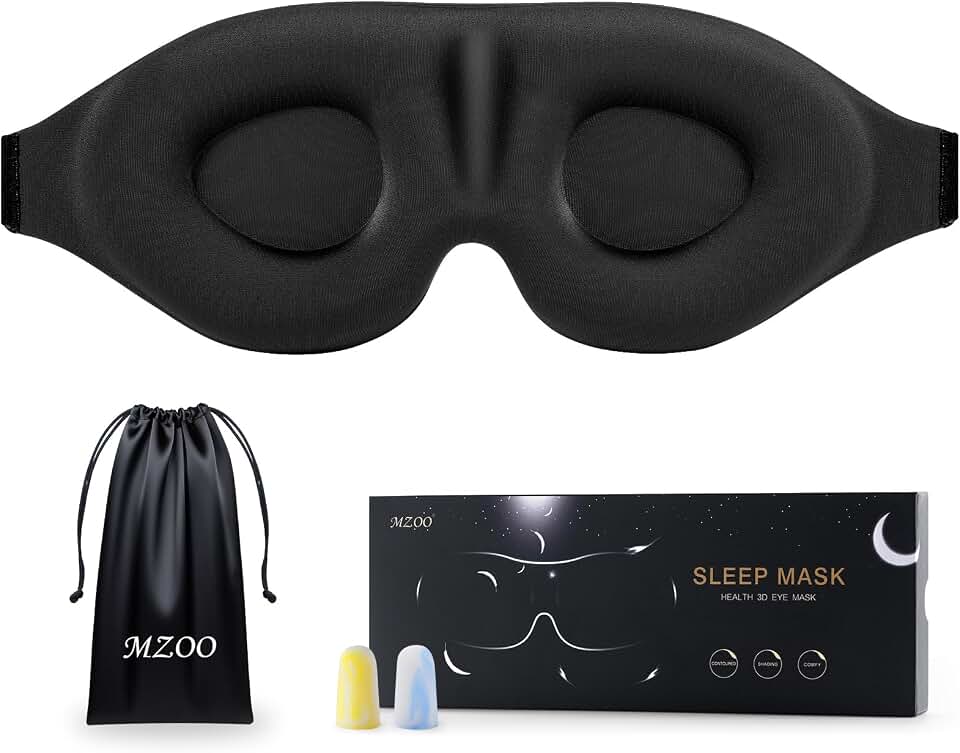
If improving your sleep environment has been a challenge, a comfortable silk sleep mask can help block light and encourage more restful sleep.
Stay Hydrated
It sounds backwards, but not drinking enough water can actually contribute to water retention.
Proper hydration helps your body regulate fluid balance and supports normal body functions.
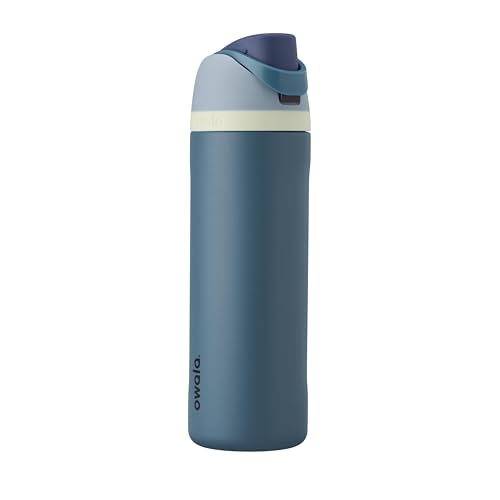
Keeping a reusable water bottle nearby is an easy reminder to drink water throughout the day.
Watch Your Salt Intake
A meal that’s especially high in sodium can cause temporary fluid retention, making your face appear puffier the next morning.
You don’t have to eliminate salt completely, but balancing sodium intake with plenty of water, fruits, and vegetables may help reduce temporary swelling.
Manage Everyday Stress
Stress is part of life, and your body is designed to handle short periods of it.
The challenge comes when high levels of stress become your everyday normal.
Healthy stress management habits may support your overall well-being and help your body recover from stressful situations.
Some simple ideas include:
- Going for a daily walk
- Gentle exercise
- Deep breathing
- Prayer or meditation
- Journaling
- Spending time outside
- Connecting with friends and family
No single activity magically lowers cortisol overnight, but consistent healthy habits can make a meaningful difference over time.
Consider Gentle Facial Massage
Many people enjoy using a stainless steel gua sha tool as part of their morning skincare routine.
While a gua sha tool won’t lower cortisol, it may temporarily reduce the appearance of facial puffiness by encouraging lymphatic drainage and reducing fluid buildup.
It’s an inexpensive tool that’s become popular for good reason.

Create a Relaxing Bedtime Routine
If stress keeps you awake at night, creating a relaxing evening routine may help improve sleep quality.
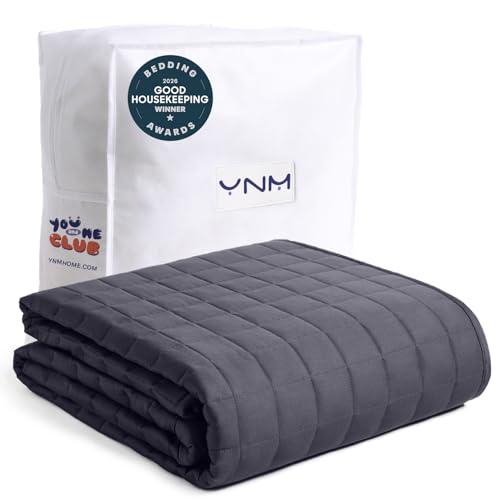
Some people find a weighted blanket helps them feel calmer and more relaxed before bed.
Although a weighted blanket doesn’t treat cortisol face, improving sleep may support your overall health and reduce the appearance of tired, puffy skin.
Can Lowering Cortisol Reduce Facial Puffiness?
It depends on the underlying cause.
If someone has Cushing’s syndrome or another medical condition causing chronically high cortisol levels, treating that condition may improve facial changes over time.
However, if your puffiness is related to poor sleep, allergies, hormones, dehydration, or a salty meal, lowering cortisol isn’t necessarily the answer.
Instead of focusing on one hormone, it’s often more helpful to look at your overall lifestyle, including:
- Sleep quality
- Nutrition
- Stress levels
- Physical activity
- Hydration
- Existing health conditions
Myth vs. Fact
Myth: Every puffy face is caused by high cortisol.
Fact: Facial puffiness has many possible causes, including allergies, poor sleep, medications, dehydration, hormones, and temporary fluid retention.
Myth: Cortisol is a bad hormone.
Fact: Cortisol is essential for life. Your body needs it to regulate blood sugar, support your immune response, maintain blood pressure, and respond to stressful situations.
Myth: You can fix cortisol face with one supplement.
Fact: No supplement has been proven to “cure” cortisol face. Healthy lifestyle habits and treating the underlying cause are much more important.
Myth: Cortisol face is always permanent.
Fact: It depends on what’s causing the facial changes. Some causes are temporary, while others require medical treatment.
When Should You See a Healthcare Provider?
Most temporary facial puffiness isn’t an emergency.
However, it’s a good idea to schedule an appointment if you notice:
- Facial swelling that doesn’t improve
- Rapid or unexplained weight gain
- Muscle weakness
- High blood pressure
- Persistent fatigue
- Easy bruising
- Purple stretch marks
- Other significant body changes
These symptoms don’t automatically mean you have Cushing’s syndrome, but they may warrant further evaluation to identify the underlying cause.
Products That May Support Healthy Habits
No product can cure cortisol face, but a few simple tools may support healthy habits that contribute to overall wellness.
Silk Sleep Mask
A darker sleep environment may help improve sleep quality.
Stainless Steel Gua Sha Tool
Many people enjoy using gua sha as part of their skincare routine to temporarily reduce morning facial puffiness.
Weighted Blanket
Some people find weighted blankets relaxing and helpful for winding down before bed.
Reusable Water Bottle
Staying hydrated is one of the easiest healthy habits to build.
Frequently Asked Questions
What is cortisol face?
Cortisol face is an informal term used to describe a rounder or puffier facial appearance that may occur when cortisol levels remain very high for a long period of time. It isn’t an official medical diagnosis.
Is cortisol face real?
Yes, but it’s often misunderstood. Medical conditions like Cushing’s syndrome can cause facial changes associated with chronically high cortisol levels, but many people with puffy faces have completely different causes.
Can stress cause a puffy face?
Stress may indirectly contribute by affecting sleep, eating habits, and fluid balance. However, everyday stress alone doesn’t usually cause the dramatic facial changes associated with Cushing’s syndrome.
What does cortisol face look like?
People often describe a round face, puffy cheeks, swelling around the jawline, and increased facial fullness.
Is cortisol face permanent?
Not necessarily. Whether facial changes improve depends on the underlying cause.
Can poor sleep cause facial puffiness?
Yes. Even one or two nights of poor sleep can make your face appear puffier the next morning.
Can dehydration make your face puffy?
It can. Dehydration may contribute to temporary water retention in some people.
Does high salt intake cause facial swelling?
Yes. Eating a high-sodium meal can cause temporary fluid retention that makes your face look puffier.
Can gua sha reduce facial puffiness?
A gua sha tool may temporarily reduce the appearance of puffiness as part of a skincare routine, but it doesn’t lower cortisol or treat medical conditions.
When should I see a doctor about a puffy face?
If facial swelling is persistent, worsening, or occurs alongside unexplained weight gain, muscle weakness, high blood pressure, or other concerning symptoms, it’s a good idea to seek medical advice.
Can drinking water reduce cortisol face?
Drinking enough water won’t directly lower cortisol levels, but staying hydrated may help reduce temporary facial puffiness caused by dehydration or fluid retention. Hydration also supports your body’s normal functions and overall health.
Can cortisol face happen overnight?
Usually not.
Facial changes associated with chronically high cortisol typically develop gradually over time. However, temporary puffiness from poor sleep, a salty meal, allergies, or dehydration can appear overnight and improve within a day or two.
Can allergies cause a puffy face?
Yes. Seasonal allergies and allergic reactions can cause temporary facial swelling or puffiness, especially around the eyes. If swelling is severe, happens suddenly, or affects your breathing, seek medical care immediately.
Can hormones cause facial puffiness?
Yes. Hormonal changes during the menstrual cycle, pregnancy, perimenopause, and menopause can all contribute to temporary water retention and changes in facial appearance. Hormonal conditions such as PCOS may also affect facial fullness in some people.
Final Thoughts
If you’ve been wondering what is cortisol face, you’re not alone. The term has exploded across social media, but the reality is much more nuanced than many viral videos suggest.
While chronically high cortisol from medical conditions like Cushing’s syndrome can contribute to a rounder, puffier face, everyday facial puffiness is often linked to much more common factors like poor sleep, allergies, hormones, dehydration, stress, or high salt intake.
Instead of assuming cortisol is the problem, take a step back and look at the bigger picture. Prioritizing sleep, managing stress, staying hydrated, eating a balanced diet, and talking with a healthcare provider when symptoms persist are all far more helpful than chasing the latest social media trend.
Understanding the possible causes is the first step toward finding the solution that’s right for you.
You might also like Why Is Everyone Cooking With Beef Tallow? Here’s What You Should Know, Why Is Everyone Taking Creatine? The answer surprised me!

Hi, my name is Melissa! I live in Spanish Fork, Utah. I’m happily married to Rob, and together we have five wonderful kids. Our family loves to embark on adventures, often in our RV, exploring the great outdoors. I’m an avid reader and a big fan of Hallmark movies – they always have a way of lifting my spirits. Hiking is another passion of mine; there’s nothing like the tranquility of nature. I have a sweet tooth for chocolate and a love for Mexican food, both of which make life a little more delicious. In my downtime, I enjoy playing games with my family, creating memories and sharing laughter. Life is an adventure, and I’m here to enjoy every moment of it! I’m the blogger and creative mind behind the blog A Sparkle of Genius! Check out our posts on recipes, crafts, kid stuff, printables, travel and more!
