
Why is everyone taking creatine? If you have spent any time on social media lately, you have probably noticed everyone from fitness influencers to registered dietitians talking about creatine. What was once considered a supplement mostly for bodybuilders has quickly become one of the most popular dietary supplements for women of all ages.
I will admit, I did not understand the hype at first. I assumed creatine was only for people trying to build huge muscles or improve athletic performance. But the more I heard women in their 40s and 50s talking about it, the more curious I became. Was I missing something?
So I started digging into the research.
What I found surprised me. Creatine has been studied for decades for increasing muscle strength, improving sports performance, and supporting high-intensity exercise. But researchers are also exploring its potential benefits for brain health, cognitive function, healthy aging, and preserving lean muscle mass as we get older.
That is why everyone is taking creatine right now. It is not just another wellness trend. It is one of the most researched supplements available today.
Quick Answer
If you are wondering why is everyone taking creatine, the short answer is that creatine helps your body produce quick energy for your muscles and brain. Research suggests creatine supplementation may improve muscle strength, support muscle recovery, increase lean body mass, and enhance physical performance. Researchers are also exploring possible benefits for brain function and healthy aging. For most healthy adults, creatine monohydrate is considered a relatively safe supplement when taken as directed.
Why Is Everyone Suddenly Talking About Creatine?
A few years ago, most people associated creatine with professional athletes, serious weightlifters, or men trying to build muscle.
Today, it is everywhere.
Women are adding it to their morning water. Doctors are discussing it on podcasts. Physical therapists are talking about it for maintaining muscle as we age. Registered dietitians are explaining why women—not just men—may benefit from taking it.
So what changed?
Part of it is social media. Creatine has become one of those supplements people keep seeing in morning routines, wellness posts, and fitness videos. But unlike many viral supplements, creatine is not new. Scientists have been studying it for more than 30 years, and the amount of research continues to grow.
Researchers now understand that creatine plays a crucial role in how our bodies produce energy. It is not simply a muscle-building supplement. It helps support adenosine triphosphate, better known as ATP, which serves as the body’s primary energy source for short bursts of activity.
That energy does not only benefit athletes.
Your muscles need ATP every time you stand up, climb stairs, lift groceries, or exercise. Your brain also requires a significant amount of energy throughout the day, which is one reason researchers continue studying creatine’s potential role in brain health, mental fatigue, and cognitive function.
What Is Creatine?
Creatine is a naturally occurring compound made from three amino acids: glycine, arginine, and methionine.
Your body produces small amounts of creatine every day in the liver, kidneys, and pancreas. You also get creatine from foods like red meat and seafood.
Once creatine is in your body, most of it is stored inside your skeletal muscle as creatine phosphate. A smaller amount is found in other tissues, including the brain.
During high-intensity activities, your muscles rapidly use ATP for energy. The problem is that ATP can run out quickly during intense effort.
That is where creatine becomes important.
Creatine phosphate helps regenerate ATP, allowing your muscles to continue producing energy during intense exercise. Simply put, creatine helps your muscles recharge faster.
Over time, increasing your creatine stores through creatine supplements may improve exercise capacity, support muscle power, and make it easier to perform repeated bursts of activity during strength training or resistance training.
Why Women May Benefit From Creatine
For years, creatine marketing focused almost entirely on men.
Thankfully, that is changing.
Women generally have lower total creatine stores than men, largely because they tend to have less muscle mass and often consume less dietary creatine. Women who do not eat much red meat or seafood may get even less creatine from food.
Researchers are now exploring whether increasing creatine levels may offer unique advantages for women, especially during midlife when maintaining muscle tissue, bone health, and overall physical performance becomes increasingly important.
If you are working to preserve strength, improve recovery after workouts, or support healthy aging, creatine may be worth discussing with your healthcare provider.
And no, you do not have to be a bodybuilder to benefit.
In fact, some of the people who may benefit the most are everyday women who simply want to stay active, maintain muscle, and feel stronger for years to come.
What Are the Benefits of Creatine for Women?
Once I understood how creatine works, the next question was obvious: Why is everyone taking creatine?
The answer goes far beyond building muscle.
For decades, creatine supplements were associated almost exclusively with bodybuilders and professional athletes looking to improve athletic performance. Today, the conversation has completely changed. Researchers are studying creatine for its potential benefits for healthy adults, older adults, and people who simply want to stay active as they age.
While no supplement is a miracle cure, creatine is one of the most researched dietary supplements available. Here are some of the biggest reasons so many women are adding it to their daily routine.
Supports Muscle Strength
One of the best-known creatine benefits is improving muscle strength.
Creatine helps your body produce more ATP, the energy your muscles use during short bursts of activity. With more available energy, your muscles may be able to work harder during strength training and resistance training, leading to gradual improvements in strength over time.
You do not have to be training for a marathon or lifting heavy weights to benefit. Strong muscles make everyday activities easier, from carrying groceries to picking up your kids or climbing stairs.
Helps Maintain Lean Muscle Mass
Beginning in our 30s, we naturally start losing muscle tissue. That process can speed up during perimenopause and menopause.
One reason older adults are increasingly interested in creatine use is because maintaining lean muscle mass becomes more important with age. Research suggests creatine supplementation, combined with regular exercise, may help preserve muscle while supporting healthy aging.
For many women, this may be one of creatine’s most valuable benefits.
Improves Exercise Performance
Creatine has remained one of the most popular sports supplements because it helps improve physical performance during high-intensity exercise.
Whether you are lifting weights, doing high-intensity interval training, cycling, or playing recreational sports, creatine provides your muscles with an additional energy source during short, powerful movements.
Over time, those extra repetitions or slightly longer workouts can lead to noticeable improvements in strength and endurance.
Supports Muscle Recovery
Exercise challenges your muscles.
Recovery is when your body repairs and rebuilds muscle tissue.
Some research suggests creatine may help support muscle recovery after intense exercise by helping muscles restore energy more quickly. Better recovery often means you are ready for your next workout sooner, making it easier to stay consistent with your fitness routine.
May Support Brain Health
This was one of the benefits that surprised me the most.
While most people think of creatine as a supplement for muscles, researchers are also studying its role in brain health, brain function, and cognitive function.
Your brain requires a tremendous amount of energy to function properly. Because creatine helps support cellular energy production, researchers are exploring whether maintaining healthy creatine levels may help support memory, concentration, and mental fatigue during demanding tasks.
The research on brain health is still emerging, so I would not treat creatine as a cure-all. But it is one of the reasons creatine has become popular outside the fitness world.
Supports Healthy Aging
One of the biggest reasons why everyone is taking creatine is because people are thinking beyond today’s workout.
As we age, maintaining muscle becomes one of the most important factors for staying active and independent. Muscle loss can affect balance, mobility, and overall quality of life.
Combined with regular physical activity, creatine may help support healthy muscles, making it easier to stay active for years to come.
May Support Bone Health
Healthy muscles and healthy bones go hand in hand.
Creatine does not directly build bone in the same way calcium or vitamin D support bone health. However, some studies suggest that combining creatine with resistance training may support bone health by helping people exercise more effectively and maintain muscle strength.
Researchers are still determining whether creatine directly affects bone density, but this is another area women are paying attention to.
Backed by Decades of Scientific Research
Unlike many supplements that suddenly become popular on social media, creatine is not new.
Scientists have studied creatine for more than 30 years. Hundreds of clinical trials have evaluated its safety, effectiveness, and potential benefits in healthy individuals, athletes, and older adults.
Researchers continue exploring creatine’s possible role in areas like energy metabolism, mental health, oxidative stress, traumatic brain injury, and bipolar disorder. Some of these areas are still early research, so more studies are needed before firm conclusions can be made.
For most healthy adults, creatine monohydrate remains one of the most well-researched and trusted dietary supplements available today.
Should Women Over 40 Take Creatine?
This is the section I wish I had seen sooner.
For women over 40, the conversation around creatine feels different than it did years ago. It is not just about workouts or sports performance. It is about maintaining strength, protecting muscle, supporting energy, and aging well.
During perimenopause and menopause, hormonal changes can make it harder to maintain muscle. Many women notice changes in body composition, strength, recovery, and energy. This is one reason strength training becomes so important in midlife.
Creatine may be helpful because it supports the energy system your muscles use during resistance training. When combined with regular strength training, enough protein, and overall healthy habits, creatine may help women maintain lean muscle mass and physical performance as they get older.
That does not mean every woman needs creatine. But if you are over 40 and trying to stay strong, it may be worth considering.
Does Creatine Cause Weight Gain?
One of the biggest reasons women hesitate to try creatine is the fear of gaining weight.
I completely understand. It was one of my biggest questions too.
The good news is that the answer is more reassuring than many people expect.
Creatine does not cause body fat gain. However, you may notice a small increase on the scale during the first few weeks. That is because creatine naturally draws water into your muscle cells, a process called water retention.
This is not the same as gaining fat. Instead, it is one way creatine helps support muscle function and energy production. Some people even view this early increase in water inside the muscle as a sign that creatine is doing what it is supposed to do.
Not everyone notices this change, and for many people it is temporary. Over time, improvements in muscle strength and lean muscle mass often become much more noticeable than any early water weight.
If you start creatine and the scale moves slightly, remember that it does not necessarily reflect changes in body fat.
Is Creatine Safe?
One reason why everyone is taking creatine is because it has one of the strongest safety records of any dietary supplement.
Researchers have spent decades studying creatine in healthy adults, older adults, and athletes. For most healthy individuals, creatine monohydrate is considered a relatively safe supplement when taken as directed.
Like any supplement, creatine is not appropriate for everyone. If you have kidney disease, liver disease, or another serious health condition, it is important to talk with your healthcare provider before starting creatine supplementation. The same is true if you are pregnant, breastfeeding, or taking medications that could interact with supplements.
For healthy adults, research continues to support creatine’s safety for both short-term and long-term use.
Are There Any Side Effects?
Most people tolerate creatine very well, but there are a few potential side effects worth knowing about.
Some people experience:
- Mild digestive upset
- Temporary water retention
- Stomach discomfort if taking too much at one time
Older studies raised concerns about muscle cramps or dehydration, but current research has not consistently supported those claims in healthy individuals.
Taking the recommended daily dose and staying well hydrated can help minimize unwanted side effects.
How Much Creatine Should Women Take?
Most research supports taking 3 to 5 grams of creatine monohydrate per day.
Some people choose to start with a loading phase, which involves taking higher doses for several days before switching to a maintenance dose. While this may help increase creatine stores more quickly, it is completely optional.
Many experts recommend simply taking 3 to 5 grams daily. Your muscles will still become saturated over time. You will just get there a little more gradually.
The most important thing is not taking large amounts. It is taking creatine consistently.
Which Type of Creatine Is Best?
Walk into any supplement store and you will find dozens of different types of creatine.
Despite the marketing, creatine monohydrate remains the gold standard.
It is the form used in most clinical trials, it is affordable, and it consistently delivers the benefits seen in research. Unless your healthcare provider recommends otherwise, creatine monohydrate is the form most experts suggest choosing.
You will also find creatine gummies, capsules, flavored drink mixes, and combination products. Those options may be more convenient for some people, but creatine monohydrate itself is what has been studied the most.
Which Creatine Do I Recommend?
After spending time researching creatine and deciding to add it to my own routine, there are two products I recommend.
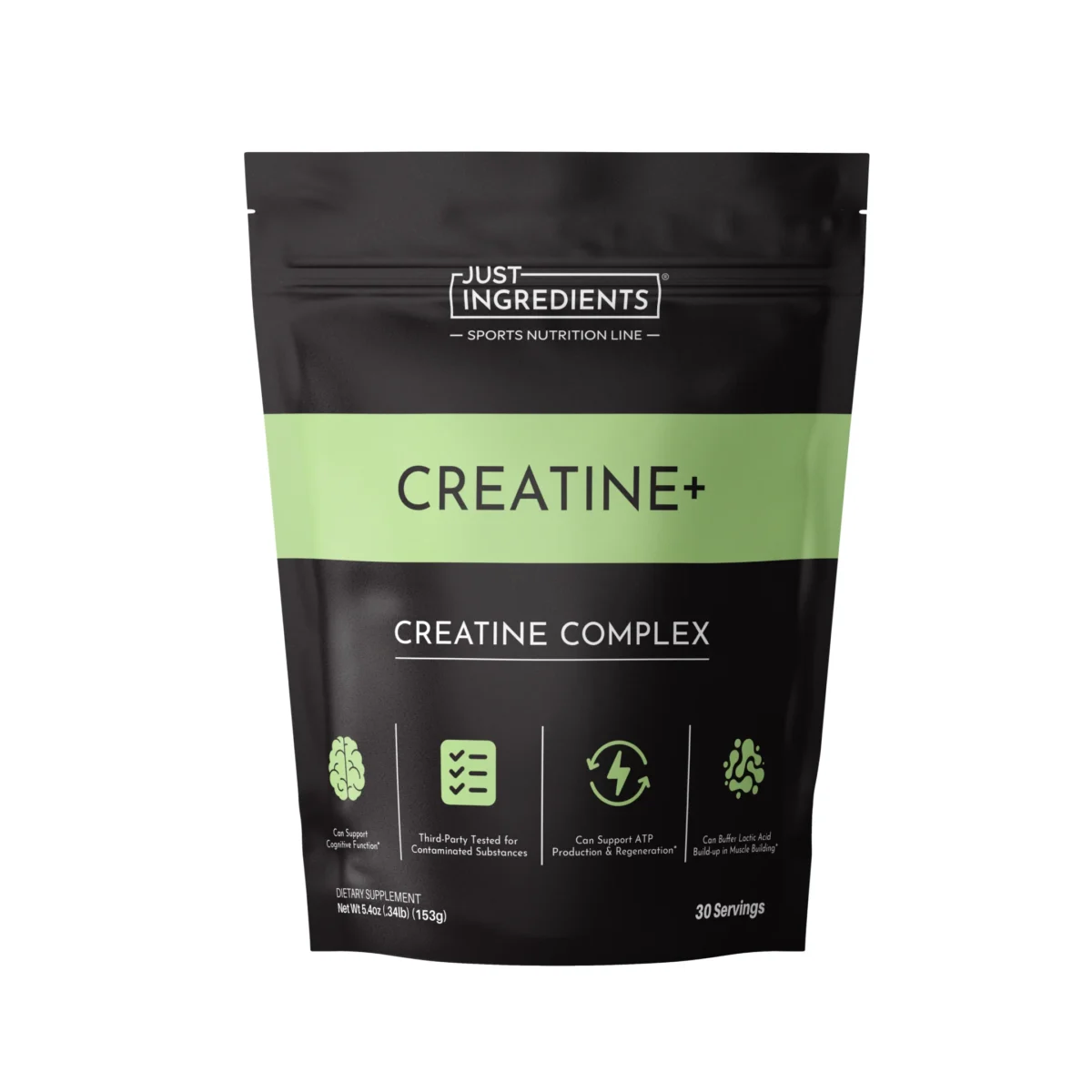
For most people, I suggest Just Ingredients Creatine+. If you are new to creatine or simply want a straightforward creatine supplement, this is where I would start.
If you are looking for something more advanced, Just Ingredients Creatine Max is another option to consider. It may be a good fit for people who exercise regularly or want more than a traditional creatine supplement.
No matter which one you choose, consistency matters much more than finding the “perfect” product.
Creatine Benefits at a Glance
| Potential Benefit | What It May Support | Who May Care Most |
|---|---|---|
| Muscle strength | Power during strength training and resistance training | Women who want to get stronger |
| Lean muscle mass | Maintaining muscle tissue as we age | Women over 40 and older adults |
| Exercise performance | Short bursts of high-intensity activity | Active women and recreational athletes |
| Muscle recovery | Recovery after intense exercise | Women who strength train consistently |
| Brain health | Emerging research on cognitive function and mental fatigue | Women interested in healthy aging |
| Bone health | May support exercise that helps maintain strength and bone health | Women in midlife and beyond |
Frequently Asked Questions
Why is everyone taking creatine?
People are taking creatine because research suggests it may support muscle strength, athletic performance, muscle recovery, brain health, healthy aging, and maintaining lean muscle mass. It is also one of the most researched dietary supplements available.
Is creatine only for bodybuilders?
No. While creatine became popular among athletes and bodybuilders, many women, older adults, and recreational exercisers now take it to support overall health and strength.
Can women take creatine every day?
For most healthy adults, yes. Studies commonly use a daily dose of 3 to 5 grams of creatine monohydrate.
Do I need to work out for creatine to help?
Creatine works best when combined with regular physical activity, especially resistance training. However, researchers are also studying its potential benefits for brain health and healthy aging beyond exercise.
How long does creatine take to work?
If you skip a loading phase, it typically takes about three to four weeks for your muscles to fully increase their creatine stores. Consistency is more important than speed.
Does creatine cause bloating?
Some people notice temporary water retention or digestive discomfort when starting creatine, especially if they take too much at once. Starting with 3 to 5 grams per day and drinking enough water can help.
Is creatine safe after 40?
For most healthy adults, creatine is considered safe when taken as directed. Women over 40 may be especially interested in creatine because of its potential support for muscle strength, lean muscle mass, and healthy aging.
Is creatine worth taking?
For many women, I believe it is worth considering. Between the strong scientific evidence, decades of research, and potential benefits for muscle strength, recovery, and healthy aging, it is easy to understand why everyone is taking creatine.
Final Thoughts
A year ago, if someone had asked me about creatine, I probably would have said it was something bodybuilders used.
Now I understand why the conversation has changed.
After looking at the research, it is clear that creatine is about much more than building muscle. It may support healthy aging, strength, recovery, brain health, and maintaining muscle as we get older. That is something many of us can benefit from, whether we spend our days in the gym or simply want to stay active and strong.
If you have been wondering why is everyone taking creatine, I hope this guide helped answer your questions. As always, it is a good idea to talk with your healthcare provider before adding any new supplement to your routine, especially if you have underlying health conditions or take prescription medications.
For me, learning about the science behind creatine completely changed the way I viewed it—and I have a feeling I am not the only one.
You might also like Primal Queen Coupon Code – 25% Off First Purchase and Just Ingredients Deodorant: All Natural & Aluminum-Free.

Hi, my name is Melissa! I live in Spanish Fork, Utah. I’m happily married to Rob, and together we have five wonderful kids. Our family loves to embark on adventures, often in our RV, exploring the great outdoors. I’m an avid reader and a big fan of Hallmark movies – they always have a way of lifting my spirits. Hiking is another passion of mine; there’s nothing like the tranquility of nature. I have a sweet tooth for chocolate and a love for Mexican food, both of which make life a little more delicious. In my downtime, I enjoy playing games with my family, creating memories and sharing laughter. Life is an adventure, and I’m here to enjoy every moment of it! I’m the blogger and creative mind behind the blog A Sparkle of Genius! Check out our posts on recipes, crafts, kid stuff, printables, travel and more!
