
If the idea of a zero waste home feels overwhelming—especially when you’re juggling work, kids, and trying to make dinner before soccer practice—you’re not alone. The average American creates over a quart of garbage per day, and most of it comes from simple habits we don’t even think twice about: plastic bags at the grocery store, single-use paper towels, junk mail, and half-eaten kids’ lunches tossed in the trash.
But here’s the good news: you don’t have to go full homesteader to reduce waste. In fact, even small, consistent changes can lower your family’s annual spending, simplify your life, and contribute to a brighter future for your kids (and the planet).
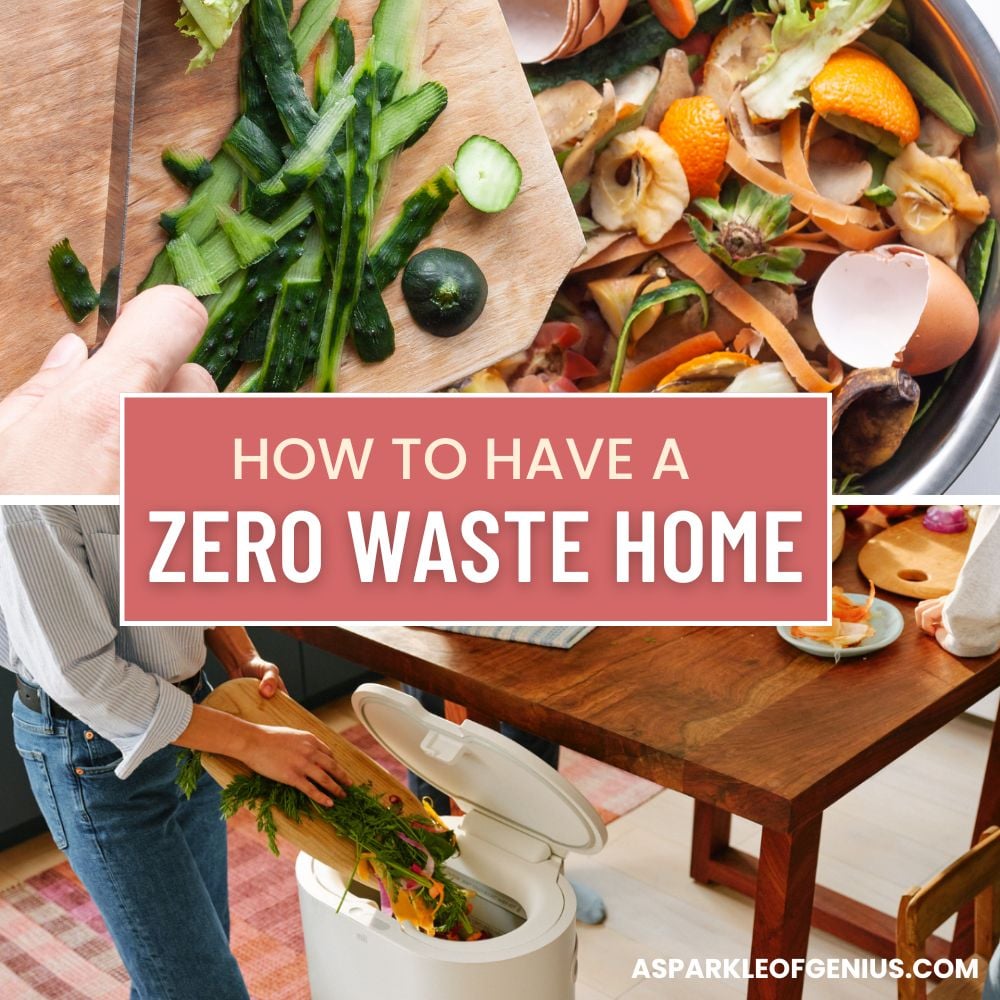
This post shares 5 practical and easy tips that work for even the busiest people, including families like mine—with young sons who think anything green is suspicious and who consider mustard a major food group (yes, we even make our own mustard now). Consider this your relatable step-by-step guide to building a zero waste lifestyle, one habit at a time.
1. Rethink Your Trash with the Mill Food Recycler
If you only make one change toward a zero waste home—make it this one.
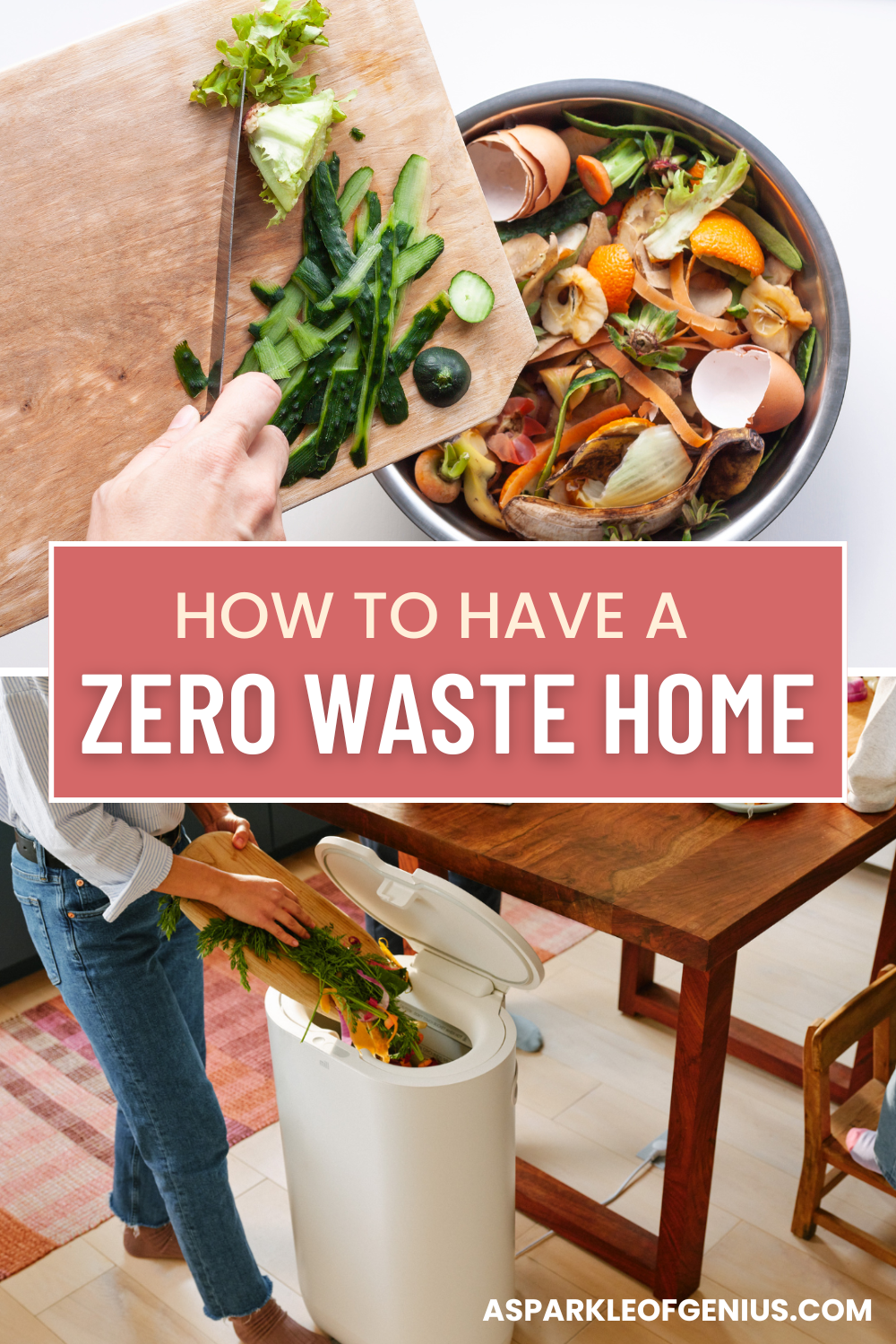
The Mill food recycler is a sleek, odor-free bin that turns your daily food waste (banana peels, sandwich crusts, uneaten fruit, even spoiled leftovers) into nutrient-rich, dry grounds you can send back to farms or use to boost your garden soil. It’s ideal if you’ve ever tried composting and failed—or never tried because, let’s face it, worms aren’t for everyone. Shop here.
Why Mill Works:
- Dries and grinds scraps overnight with no smells or pests
- Cuts down the amount of trash you throw out each week
- Uses a zero-waste approach that makes composting doable, even for beginners
- Comes with a mailing program to send the grounds to small farms (no garden needed!)
It’s one of the smartest practical tools I’ve added to my kitchen—and it’s perfect for anyone looking for a real solution to food storage, waste of resources, and the daily dinner mess.

2. Switch to Reusable Containers (and Skip the Plastic Bags)
Plastic sandwich bags might be cheap and convenient, but they’re a massive source of single-use plastics—especially if you’re packing kids’ lunches every day.
Instead, switch to:
- Stainless steel bento boxes
- Silicone snack bags
- Glass or metal jars for leftovers and pantry storage
These options aren’t just better for the environment—they also keep food fresher, which means fewer soggy grapes and mystery containers in the fridge. Over time, reusable containers actually save money too, reducing your annual spendingon disposables.
Bonus tip: Keep your own containers in the car or a reusable tote for when you shop at the bulk aisle or grab takeout.
I love bringing efficient appliances into my kitchen, especially because they help cut down on packaging waste. One of the best investments I made was a Harvest Right freeze dryer, and you can easily save on yours with a Harvest Right sale.
3. Shop Smarter with a Zero Waste Mindset
A zero waste home starts with how you shop. The grocery store is often the first place waste creeps into our lives—plastic-wrapped produce, oversized boxes, and ingredients we forget to use.
Here’s your simple guideline:
- Shop the bulk aisle using reusable produce bags or jars
- Make a shopping list based on what you already have at home
- Choose products with natural fibers or minimal packaging
- Avoid overbuying (a big culprit of food waste)
This essential how-to advice helps cut waste before it enters your home. And no—you don’t need to give up convenience entirely. It’s about less waste, not perfection.
One of my favorite clean swaps is switching to Just Ingredients pantry staples and supplements—everything is non-toxic, minimal, and easy to understand. Plus, you can save 10% using code SPARKLE. Grab the Just Ingredients coupon code to try them next time you update your zero-waste kitchen.
4. Swap Paper Towels for Washable Cloths
One of the easiest ways to reduce your amount of trash? Ditch paper towels.
Yes, I know it feels weird at first. But once you get used to using washable rags or cloth towels, you won’t go back. Just toss them in the laundry with your regular load and reuse again and again.

Use for:
- Wiping counters
- Cleaning up spills
- Drying hands
It’s a quick win that saves money, reduces waste of resources, and makes your home feel cleaner and more intentional.
5. Reduce “Invisible” Waste: Mail, Beauty, and Almond Milk
Finally, don’t forget about the less obvious stuff. Junk mail, personal care items, and even your go-to drink choices contribute to more trash than you think.
Here are a few places to start:
- Unsubscribe from catalogs and junk mail
- Buy makeup from brands that use refillable or compostable packaging (yes, the beauty industry is changing!)
- Make your own almond milk at home—cheaper, tastier, and less packaging
Start noticing what you throw away and ask: “Can I replace this with a reusable or refillable option?”
A Practical Guide for Real People
You don’t need to be perfect. You don’t even need to go completely plastic-free to see real impact.
A zero waste home is built from practical guide posts like this—real tools for real people who want less stuff, less waste, and a better overall quality of life.
Whether you’re in Northern California or just starting to dip your toe into the growing movement of waste-free living, I hope this gives you the confidence to start. Even the busiest people can make a difference with a few tweaks and the right mindset.
And if you’re looking for more inspiration, the Zero Waste Home book by Bea Johnson is a must-read. Her book sharesso many ways to simplify, save money, and live intentionally.
Pin this post so you can revisit these tips later. And if you’ve tried any of these, I’d love to hear—what changes have helped your home feel cleaner, calmer, or more eco-conscious?
Let’s build something better. One step, one meal, one crust-free sandwich at a time.
You might also like 10 Mill food recycler benefits: Here’s Why It Stands Out! and Is the Mill Food Recycler Worth It? My Honest Review.

Hi, my name is Melissa! I live in Spanish Fork, Utah. I’m happily married to Rob, and together we have five wonderful kids. Our family loves to embark on adventures, often in our RV, exploring the great outdoors. I’m an avid reader and a big fan of Hallmark movies – they always have a way of lifting my spirits. Hiking is another passion of mine; there’s nothing like the tranquility of nature. I have a sweet tooth for chocolate and a love for Mexican food, both of which make life a little more delicious. In my downtime, I enjoy playing games with my family, creating memories and sharing laughter. Life is an adventure, and I’m here to enjoy every moment of it! I’m the blogger and creative mind behind the blog A Sparkle of Genius! Check out our posts on recipes, crafts, kid stuff, printables, travel and more!
